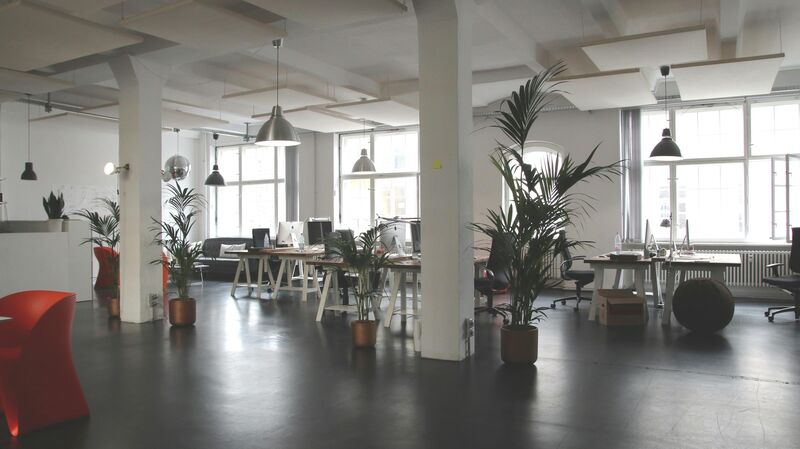
Planning an office renovation requires careful budgeting and understanding what drives costs. Whether you're updating a small office suite or undertaking a complete corporate headquarters transformation, office remodeling cost considerations can make or break your project's success.
Commercial renovation services pricing varies widely based on scope, location, materials, and timing. This guide breaks down the factors that influence costs and provides realistic budgeting frameworks to help you plan effectively.
Understanding office remodeling cost structures
Most commercial renovation services price projects based on square footage, though this represents just one piece of the puzzle. A basic cosmetic refresh might run $50-75 per square foot, while a complete gut renovation with high-end finishes can exceed $200 per square foot.
These ranges exist because office projects encompass vastly different scopes. Repainting walls and installing new carpet sits at one end of the spectrum. Reconfiguring layouts, moving mechanical systems, and upgrading technology infrastructure occupies the other.
Breaking down cost categories
Design and planning fees typically consume 10-15% of total project costs. This covers architectural plans, engineering drawings, permitting, and project management. Skipping this phase to save money usually leads to expensive problems during construction.
Demolition and site prep work might seem straightforward but can reveal hidden issues. Older buildings often contain asbestos, outdated wiring, or structural concerns that add unexpected costs. Budget 5-10% contingency for discoveries.
Construction and installation represents the largest expense category. This includes framing, drywall, flooring, ceilings, and finish carpentry. Labor costs vary by region but generally account for 40-50% of construction expenses.
Mechanical, electrical, and plumbing (MEP) upgrades often surprise business owners with their price tags. Moving HVAC ducts, adding electrical circuits, and relocating plumbing can easily consume 25-30% of your budget.
What influences commercial renovation services pricing
Location dramatically affects labor rates and material costs. Urban areas command premium pricing due to higher overhead, parking challenges, and building access restrictions. A project in Manhattan costs substantially more than an identical renovation in Des Moines.
Building age and condition impact costs significantly. Newer buildings with modern systems renovation more predictably than older structures requiring code updates. Pre-war buildings often need extensive asbestos abatement, electrical upgrades, and structural reinforcement.
Timeline and scheduling considerations
Rushing projects increases office remodeling cost through overtime labor, expedited material shipping, and reduced competitive bidding. Conversely, flexible timelines allow contractors to schedule work efficiently and source materials economically.
Phased renovations that maintain business operations cost more than vacant space projects. Contractors work around occupants, limit noisy activities to after-hours, and coordinate more carefully. This convenience premium typically adds 15-25% to baseline costs.
Material selections and finishes
Finish choices swing budgets dramatically. Standard commercial carpet tiles cost $3-5 per square foot installed. High-end designer options exceed $15 per square foot. Multiply these differences across flooring, ceilings, lighting, millwork, and fixtures to see how selections compound.
Some businesses prioritize investment in client-facing areas while selecting economical finishes for back offices. This strategic approach optimizes budgets by directing funds where they create the most impact.
Typical office renovation scenarios and costs
Cosmetic refresh
A basic update includes new paint, carpet, and lighting without layout changes. For a 5,000 square foot office, expect $250,000-375,000. This covers preparation, materials, and installation but assumes existing systems remain functional.
Commercial renovation services for cosmetic work proceed quickly, often completing in 2-4 weeks. This makes it ideal for businesses needing updates without extensive downtime.
Standard remodel
Most office renovations fall into this category. You're reconfiguring layouts, upgrading finishes, and modernizing systems without major structural changes. That same 5,000 square foot space runs $500,000-750,000.
Standard remodels take 8-12 weeks and include new partition walls, upgraded electrical and data infrastructure, improved lighting, and contemporary finishes throughout. You're creating an office that feels new without the premium cost of starting from scratch.
Complete gut renovation
Stripping spaces to the shell and rebuilding offers maximum flexibility but commands the highest office remodeling cost. Budget $750,000-1,000,000+ for that 5,000 square foot example.
Gut renovations make sense when buildings need extensive mechanical updates, layouts require complete reimagining, or you're creating showpiece spaces. Timeline extends to 3-6 months depending on complexity.
Hidden costs and budget considerations
Permit fees and building department reviews add 2-5% to project budgets. Complex projects in cities with stringent codes face higher permitting costs and longer approval timelines.
Temporary relocation expenses catch businesses off guard. If renovations require vacating your space, factor in short-term office rental, moving costs, and business interruption impacts.
Technology and infrastructure
Modern offices depend on robust data networks, adequate electrical capacity, and integrated technology systems. Under-budgeting for IT infrastructure leads to compromises that haunt businesses for years.
Plan $50-100 per square foot specifically for technology-related improvements. This covers structured cabling, network equipment, electrical upgrades for increased loads, and integration with building systems.
Maximizing value from commercial renovation services
Clear scope definition before soliciting bids reduces change orders and cost overruns. Work with designers to fully document your requirements, then obtain competitive proposals from qualified contractors.
Value engineering reviews identify opportunities to achieve design goals more economically. Experienced commercial renovation services providers suggest alternative materials, methods, or approaches that maintain quality while reducing costs.
Timing your project strategically
Construction markets cycle through busy and slow periods. Contractors offer more competitive pricing during slower periods and may include upgrades or concessions to win work. Late fall through winter often brings better pricing in many markets.
Planning far enough ahead allows multiple bid rounds if initial pricing exceeds budgets. Rushing compresses decision-making and eliminates negotiating leverage.
Working with commercial renovation services professionals
Selecting the right team proves more important than finding the lowest bid. Experienced commercial contractors bring value through efficient scheduling, proactive problem-solving, and quality work that doesn't require expensive callbacks.
Request references from similar projects and actually contact them. Ask about communication, problem resolution, and how contractors handled unexpected issues. Check licensing, insurance, and any complaints filed with consumer protection agencies.
Contract structures and payment schedules
Most office renovations use fixed-price contracts based on detailed plans. This provides cost certainty but requires complete documentation before pricing. Changes during construction trigger change orders that increase costs.
Cost-plus contracts charge actual costs plus a markup percentage. This works for projects where scope evolves during construction but offers less budget certainty. Time and materials arrangements suit smaller projects with flexible requirements.
Planning your office remodeling budget
Start with a realistic assessment of needs versus wants. Identify must-have elements that support business operations and distinguish them from nice-to-have features that can flex if budget requires.
Build in contingency of at least 10% for unexpected conditions and owner-initiated changes. Projects rarely come in under budget, but thoughtful planning prevents budgets from spiraling out of control.
Remember that office remodeling cost represents an investment in your business. Well-executed renovations improve employee satisfaction, enhance productivity, impress clients, and support company growth. Quality commercial renovation services deliver returns that justify the investment through improved business performance.
Ready to discuss your office renovation?
Our team provides detailed cost estimates and planning services for commercial office projects. Contact us to schedule a consultation and receive a comprehensive proposal for your space.
Get your project estimate