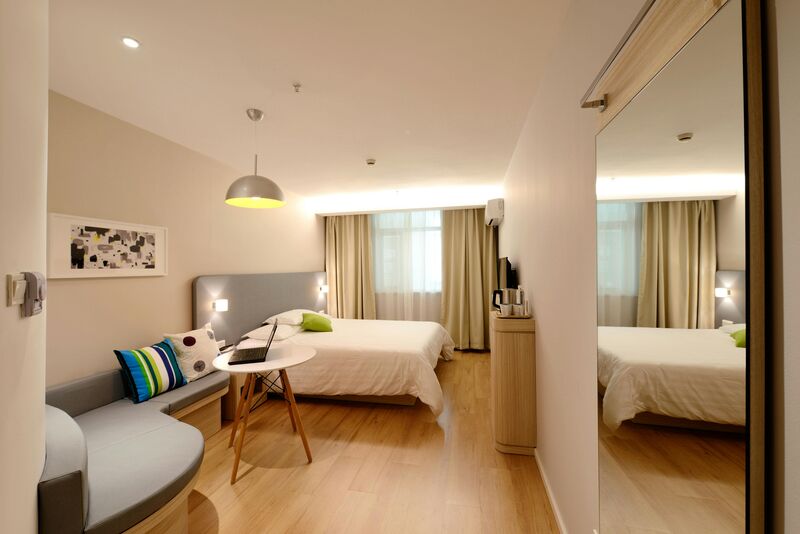
Hotel interior design services require specialized knowledge that extends far beyond residential or even commercial design expertise. A successful hospitality design firm understands the unique operational demands, guest expectations, and business metrics that drive hotel profitability.
Whether you're developing a boutique hotel, refreshing an existing property, or planning a large-scale hospitality venue, understanding what distinguishes excellent hotel design helps you select the right partners and make informed decisions.
What makes hospitality design unique
Hotels face operational challenges that don't exist in other building types. Spaces must withstand constant use by diverse guests while maintaining fresh, appealing appearances. Design solutions balance aesthetics with durability, creating environments that look luxurious yet prove practical.
A hospitality design firm considers guest psychology and behavior patterns when planning spaces. How guests move through lobbies, what makes rooms feel comfortable, which amenities drive satisfaction—these factors inform every design decision.
Guest experience priorities
First impressions matter enormously in hospitality. Lobbies set expectations for the entire stay. Professional hotel interior design services create welcoming environments that make guests feel valued from the moment they arrive.
Thoughtful circulation patterns prevent crowding and confusion during check-in. Clear wayfinding helps guests navigate properties confidently. Public spaces encourage social interaction or offer quiet retreats depending on brand positioning.
Lighting design plays a crucial role in mood and ambiance. Natural light in daytime public spaces creates energy and connection to surroundings. Evening lighting transitions to warmer, more intimate atmospheres.
Core areas in hotel design
Lobby and public spaces
Modern hotel lobbies serve multiple functions beyond check-in. They're social hubs, co-working spaces, casual dining venues, and brand showcases. A hospitality design firm creates flexible environments supporting diverse activities throughout the day.
Furniture arrangements define zones without requiring walls. Seating clusters of various sizes accommodate solo travelers, couples, and groups. Power outlets integrated into furniture and architectural elements support guests working on devices.
Material selections for public spaces must withstand heavy traffic while maintaining visual appeal. Commercial-grade finishes that look residential create the desired ambiance without sacrificing durability.
Guest rooms
Hotel interior design services optimize every square foot of guest room space. Layouts provide comfortable sleeping, working, and relaxing areas within typically compact footprints.
Storage solutions accommodate luggage without cluttering visible spaces. Closets, drawers, and surface areas provide convenient places for belongings. USB charging ports and outlets positioned near beds and desks support modern travelers.
Bathrooms receive particular attention since they significantly influence guest satisfaction. Luxury hotels invest in spacious bathrooms with quality fixtures and finishes. Select-service properties maximize functionality within smaller footprints.
Designing for different hotel segments
Luxury hotels
Luxury hotel interior design services emphasize exceptional quality, attention to detail, and creating memorable experiences. Every element from flooring to artwork receives careful consideration.
Premium materials including stone, fine woods, and quality textiles create tactile luxury. Custom furniture pieces and unique artwork differentiate properties from competitors. Lighting systems offer guests control over ambiance in rooms.
Luxury hotels often incorporate local culture and history into design narratives. A hospitality design firm researches regional influences and weaves authentic elements throughout properties, creating distinctive character.
Boutique properties
Boutique hotels emphasize personality and distinctive experiences over standardization. Design-forward concepts appeal to travelers seeking alternatives to chain properties.
These properties take more creative risks with bold color palettes, eclectic furniture mixes, and unexpected design elements. The goal is creating Instagram-worthy spaces that generate social media buzz.
Despite their creative freedom, boutique hotels still require thoughtful space planning and durable materials. Aesthetic appeal must combine with functionality.
Select-service hotels
Limited-service properties emphasize efficiency and value. Hotel interior design services optimize layouts to maximize room count while meeting guests' essential needs.
Design focuses on comfort and functionality rather than luxury. Quality materials that clean easily and wear well prove more important than exotic finishes.
These hotels often incorporate design elements that reinforce brand identity across multiple locations. Recognizable features help guests know what to expect regardless of which property they visit.
Technical considerations in hospitality design
Code compliance and accessibility
Hotels must comply with extensive building codes and accessibility requirements. A qualified hospitality design firm stays current with regulations and designs compliant spaces from the outset.
ADA requirements affect everything from room layouts to bathroom fixtures to public space navigation. Non-compliance creates legal liability and excludes potential guests.
Fire safety codes influence material selections, corridor layouts, and emergency egress. Understanding these requirements prevents expensive redesigns during permitting.
Mechanical and electrical systems
Hotel interior design services coordinate closely with engineers to integrate mechanical systems seamlessly. HVAC, plumbing, and electrical systems must serve functional needs without compromising aesthetics.
Guest room climate control affects comfort significantly. Systems should respond quickly to temperature adjustments and operate quietly.
Adequate electrical capacity supports modern device usage. Multiple outlets and USB ports have become standard amenities. Lighting controls allow guests to adjust ambiance while providing adequate task lighting.
Technology integration
Smart room technology enhances guest experiences while providing operational benefits. Climate control, lighting, and entertainment systems integrate into unified platforms.
In-room tablets or apps allow guests to control environments, request services, and access information. These technologies reduce front desk calls while empowering guests.
Back-of-house systems track housekeeping status, maintenance needs, and energy usage. A hospitality design firm incorporates technology infrastructure during initial design rather than retrofitting later.
Food and beverage spaces
Hotel restaurants and bars require specialized design knowledge combining hospitality and restaurant design expertise.
Restaurant design
Hotel restaurants must appeal to both guests and local diners. Design creates welcoming environments for both audiences while supporting efficient operations.
Open kitchens add theater and transparency. Guests enjoy watching preparation, and kitchens benefit from increased accountability that comes with visibility.
Flexible seating arrangements accommodate various party sizes and dining styles. Intimate two-tops, family-friendly booths, and communal tables offer options for different preferences.
Bar and lounge areas
Bars serve as social hubs for hotels. Great bar design creates inviting atmospheres that encourage guests to gather and spend time.
Lighting sets mood significantly. Adjustable systems transition from bright and energetic during early evening to intimate and atmospheric later.
Bar layouts balance customer seating with efficient service areas. Bartenders need adequate prep space, storage, and equipment access while maintaining guest engagement.
Sustainability in hospitality design
Environmental responsibility increasingly influences hotel interior design services. Guests value sustainability, and owners recognize operational cost savings from efficient design.
Material selections
A hospitality design firm sources sustainable materials including reclaimed wood, recycled content tile, low-VOC finishes, and responsibly sourced furnishings.
These materials often prove more durable than conventional alternatives, reducing replacement frequency and long-term costs.
Local sourcing reduces transportation impacts while supporting regional economies. It also adds authentic character reflecting the property's location.
Energy efficiency
LED lighting throughout properties reduces energy consumption significantly while providing better light quality and longer lamp life.
High-performance windows minimize heat gain and loss. Insulation and air sealing reduce HVAC demands.
Smart building systems optimize energy usage based on occupancy patterns. Unoccupied rooms automatically reduce heating, cooling, and lighting levels.
Renovation versus new construction
Hotels require periodic refreshes to remain competitive. Understanding when to renovate versus rebuild affects budgets and operations significantly.
Planning renovations
Most hotels renovate every 7-10 years to maintain contemporary appeal. Soft goods like carpet, bedding, and drapery refresh more frequently while furniture and fixtures last longer.
Phased renovations allow properties to remain operational. A hospitality design firm develops schedules minimizing guest impact while maintaining revenue.
Renovations offer opportunities to reconfigure spaces addressing operational issues or responding to market changes. Guest rooms might be enlarged, bathrooms updated, or public spaces reimagined.
Working within existing structures
Renovations face constraints that new construction avoids. Existing building systems, structural elements, and room layouts limit design options.
Creative hotel interior design services work within these constraints to maximize improvements. Strategic upgrades focusing on high-impact areas deliver the most value.
Selecting a hospitality design firm
Hotel projects demand specialized expertise. Firms focused on hospitality understand the unique requirements these properties present.
Portfolio evaluation
Review potential firms' hospitality portfolios specifically. Residential or office design experience doesn't automatically translate to hotel expertise.
Look for projects similar to yours in scale, budget, and concept. A firm successful with luxury resorts might not suit limited-service properties and vice versa.
Brand experience
If you're developing a franchised property, verify design firms understand brand standards. These detailed requirements govern everything from room layouts to material specifications.
Experienced firms navigate brand approval processes efficiently, preventing delays and revisions.
The business case for great design
Exceptional hotel interior design services deliver measurable returns through increased bookings, higher rates, improved guest satisfaction, and reduced operating costs.
Well-designed properties command premium pricing. Guests willingly pay more for hotels offering superior environments and experiences.
Positive online reviews driven by design quality generate marketing value that far exceeds the cost of excellent design.
Durable, thoughtful design reduces maintenance costs and extends time between major renovations. Quality investments pay dividends over property lifespans.
A hospitality design firm that understands these business drivers creates solutions balancing aesthetics with financial performance, delivering beautiful spaces that also succeed as businesses.
Develop your hospitality project
Our team specializes in hotel and hospitality interior design services. Contact us to discuss your property and learn how we can help create spaces your guests will love.
Discuss your project